Understanding RED-S: The Hidden Danger for Athletes
Picture this: you’re training hard, pushing your limits, yet you still feel exhausted, sluggish, or stuck in a performance plateau. If this sounds familiar, it could be more than just a tough training cycle—you might be experiencing Relative Energy Deficiency in Sport (RED-S). This condition occurs when athletes fail to consume enough energy to support their training, recovery, and overall health.
As a functional sports dietitian, I’m passionate about raising awareness of RED-S. Too often, I see athletes struggling to fuel their bodies properly, turning to the internet for guidance—only to be misled by inaccurate information. Education is key, and I encourage athletes to seek support from qualified health professionals to ensure they are nourishing their bodies for optimal performance and well-being.
What is RED-S?
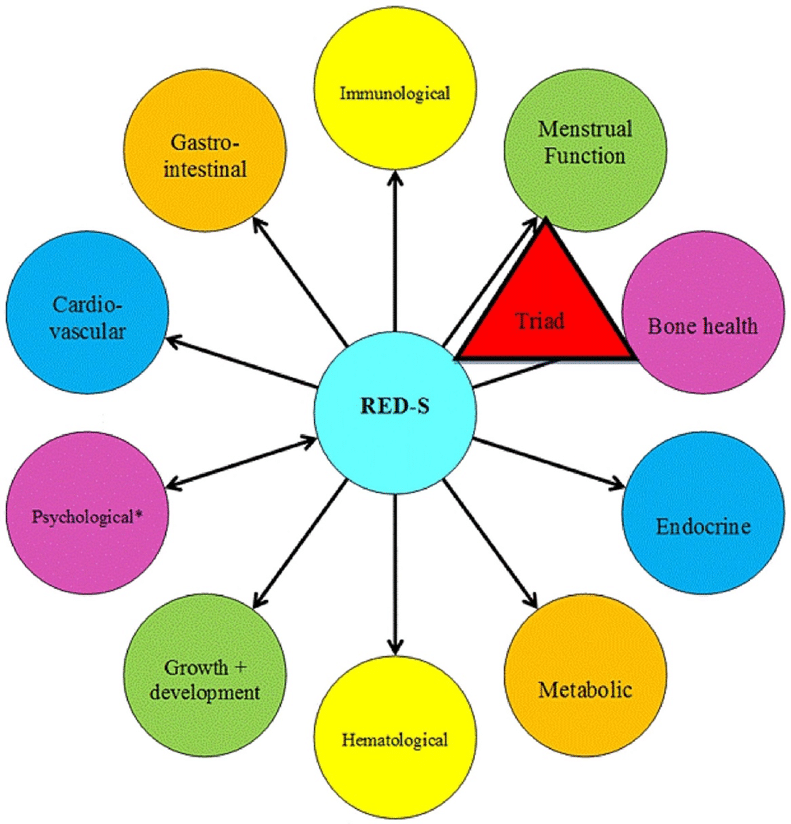
RED-S happens when an athlete’s energy intake doesn’t meet their body’s needs, leading to a myriad of health consequences. RED-S was previously referred to as the Female Athlete Triad, but now is recognized as a condition that affects athletes of all genders. Whether intentional (due to restrictive eating or disordered eating behaviors) or unintentional (from high training demands and lack of awareness), an ongoing energy deficit can impact not just athletic performance but every system in the body.
How Can You Spot RED-S?
RED-S doesn’t have a single sign—it’s a collection of warning signals that can manifest in different ways. Some key red flags can include:
🚩 Decreased Performance – Feeling fatigued, struggling with endurance, or taking longer to recover.
🚩 Hormonal Disruptions – Missed or irregular monthly menstrual cycles in females, low testosterone in males, and other imbalances including an underactive thyroid.
🚩 Weak Bones – Stress fractures, low bone mineral density, osteopenia and osteoporosis due to inadequate calcium and vitamin D.
🚩 Frequent Illness – A weakened immune system makes athletes more prone to illnesses and longer recovery times.
🚩 Mood Changes – Increased anxiety, irritability, trouble focusing, or feeling constantly stressed.
🚩 Digestive Issues – Bloating, constipation, or gut discomfort due to a slowed metabolism.
The Long-Term Risks
If left untreated, RED-S can have serious and lasting effects, including: chronic bone loss leading to fractures, osteopenia, and osteoporosis, cardiovascular complications and poor heart health, stunted growth and delayed development in young athletes, and an increased risk of long-term disordered eating patterns or a full-blown eating disorder.
Who’s at Risk?
RED-S can affect any athlete, but those in certain sports are particularly vulnerable including endurance sports (running, cycling, and swimming), aesthetic sports (gymnastics, dance, and figure skating), and weight-class sports (wrestling, rowing, and martial arts).
How to Prevent and Recover from RED-S
The good news? RED-S is preventable and treatable. Here’s how athletes can protect themselves:
✅ Fuel Properly – Fuel enough making sure your nutrients match your training demands. ✅ Educate Yourself and Others – Athletes, coaches, and parents need to be aware of the warning signs. ✅ Monitor Health Regularly – Routine medical check-ups, bloodwork, and bone scans can help catch issues early. ✅ Listen to Your Body – Fatigue, recurring muscle cramps and injuries, and mood changes are all red flags, not signs of weakness. ✅ Get Professional Help – A registered sports dietitian and healthcare provider can help create an individualized plan for optimal sports performance and recovery.
Final Thoughts
RED-S is a serious and preventable condition that every athlete, coach, and sports enthusiast should be aware of. If you or someone you know is experiencing symptoms, don’t ignore the warning signs. Prioritizing nutrition, recovery, and well-being leads to stronger, healthier, and more successful athletes—both on and off the field.
#RED-S #SportsNutrition #AthleteHealth #FuelYourBody #PerformanceMatters #NutritionForAthletes #HealthyAthletes #EnduranceSports #AestheticSports #StrengthTraining

Chrissy Barth
MS RDN RYT
The EPIC Biology sports nutrition blog is a resource for athletes of all ages. If you’re looking to gain a competitive advantage by optimizing your performance and improving overall wellness, you’ve come to the right place.
Unlock Your Body’s Potential EVERY DAY
Ready to ask yourself crucial questions about your health every day? We’ll help you knock it out of the park with a simple, easy-to-use checklist.
Ready to take your performance to the next level?
I’m here to help.
If you’re looking for individualized, sustainable sports nutrition guidance, let’s chat. Schedule a free 15-minute call so that we can get to know each other, then establish your next steps.
Picture this: you’re training hard, pushing your limits, yet you still feel exhausted, sluggish, or stuck in a performance plateau. If this sounds familiar, it could be more than just a tough training cycle—you might be experiencing Relative Energy Deficiency in Sport (RED-S). This condition occurs when athletes fail to consume enough energy to support their training, recovery, and overall health.
As a functional sports dietitian, I’m passionate about raising awareness of RED-S. Too often, I see athletes struggling to fuel their bodies properly, turning to the internet for guidance—only to be misled by inaccurate information. Education is key, and I encourage athletes to seek support from qualified health professionals to ensure they are nourishing their bodies for optimal performance and well-being.
What is RED-S?
RED-S happens when an athlete’s energy intake doesn’t meet their body’s needs, leading to a myriad of health consequences. RED-S was previously referred to as the Female Athlete Triad, but now is recognized as a condition that affects athletes of all genders. Whether intentional (due to restrictive eating or disordered eating behaviors) or unintentional (from high training demands and lack of awareness), an ongoing energy deficit can impact not just athletic performance but every system in the body.
How Can You Spot RED-S?
RED-S doesn’t have a single sign—it’s a collection of warning signals that can manifest in different ways. Some key red flags can include:
🚩 Decreased Performance – Feeling fatigued, struggling with endurance, or taking longer to recover.
🚩 Hormonal Disruptions – Missed or irregular monthly menstrual cycles in females, low testosterone in males, and other imbalances including an underactive thyroid.
🚩 Weak Bones – Stress fractures, low bone mineral density, osteopenia and osteoporosis due to inadequate calcium and vitamin D.
🚩 Frequent Illness – A weakened immune system makes athletes more prone to illnesses and longer recovery times.
🚩 Mood Changes – Increased anxiety, irritability, trouble focusing, or feeling constantly stressed.
🚩 Digestive Issues – Bloating, constipation, or gut discomfort due to a slowed metabolism.
The Long-Term Risks
If left untreated, RED-S can have serious and lasting effects, including: chronic bone loss leading to fractures, osteopenia, and osteoporosis, cardiovascular complications and poor heart health, stunted growth and delayed development in young athletes, and an increased risk of long-term disordered eating patterns or a full-blown eating disorder.
Who’s at Risk?
RED-S can affect any athlete, but those in certain sports are particularly vulnerable including endurance sports (running, cycling, and swimming), aesthetic sports (gymnastics, dance, and figure skating), and weight-class sports (wrestling, rowing, and martial arts).
How to Prevent and Recover from RED-S
The good news? RED-S is preventable and treatable. Here’s how athletes can protect themselves:
✅ Fuel Properly – Fuel enough making sure your nutrients match your training demands. ✅ Educate Yourself and Others – Athletes, coaches, and parents need to be aware of the warning signs. ✅ Monitor Health Regularly – Routine medical check-ups, bloodwork, and bone scans can help catch issues early. ✅ Listen to Your Body – Fatigue, recurring muscle cramps and injuries, and mood changes are all red flags, not signs of weakness. ✅ Get Professional Help – A registered sports dietitian and healthcare provider can help create an individualized plan for optimal sports performance and recovery.
Final Thoughts
RED-S is a serious and preventable condition that every athlete, coach, and sports enthusiast should be aware of. If you or someone you know is experiencing symptoms, don’t ignore the warning signs. Prioritizing nutrition, recovery, and well-being leads to stronger, healthier, and more successful athletes—both on and off the field.
#RED-S #SportsNutrition #AthleteHealth #FuelYourBody #PerformanceMatters #NutritionForAthletes #HealthyAthletes #EnduranceSports #AestheticSports #StrengthTraining
