
Beyond Genetics: How to Live a Vibrant, Quality Life

Beyond Genetics: How to Live a Vibrant, Quality Life
I recently had a fascinating and eye-opening session with my acupuncturist, diving into the topic of longevity. Being in my 40s, this feels like the perfect subject for a blog post. We explored the magic of ancient Chinese herbs, acupuncture, and how modern science is embracing these traditions to help us not just live longer—but live and feel better. It also reminded me of a recent podcast I was on, where we discussed how longevity isn’t just about adding years to our lives, but making sure those years are vibrant. It’s all about thriving—feeling our best, moving freely, and fully embracing life.
In a world where medical breakthroughs and wellness trends are always evolving, the quest for longevity has become a top priority for many (me included!). Living a vibrant, healthy life is no longer just about genetics; it’s influenced by lifestyle, diet, mental health, and environmental factors. Here’s what the latest research shows about extending the lifespan and enhancing overall well-being…
1. Nutrition for Longevity
One of the most influential factors in longevity is diet. Studies show that populations with the longest life expectancy, such as those in the Blue Zones (Okinawa, Sardinia, Nicoya, Ikaria, and Loma Linda), follow plant-forward diets rich in whole foods including fruits, veggies, legumes, unsaturated fats, and lean proteins. Some key nutritional strategies for longevity include:
• Eating more plants: A diet high in vegetables, fruits, nuts, seeds, and whole grains provides essential nutrients and antioxidants that combat aging.
• Incorporating healthy fats: Omega-3 fatty acids found in wild salmon, ground flaxseeds, and walnuts reduce inflammation and support heart and brain health.
• Embracing mindful eating: Research indicates that practices like intermittent fasting and balanced eating can help activate longevity-promoting pathways in the body. For example, if your last meal is finished by 7 p.m., try aiming to have your first meal at 7 a.m. the next day, giving your body a healthy fasting window to support overall well-being and brain autophagy (aka brain cleaning), which helps clear out waste and promote cognitive health.
2. Physical Activity and Longevity
Regular movement is a cornerstone of a long, healthy life. Engaging in daily physical activity can prevent chronic diseases, improve cardiovascular health, and enhance cognitive function. The most effective forms of exercise for longevity include:
• Aerobic exercise: Activities such as walking, hiking, swimming, and cycling help maintain heart health and circulation. Just 30 minutes of walking a day can have a positive impact on brain function, boosting blood flow and supporting cognitive health.
• Strength training: Building muscle mass and bone density through resistance training prevents frailty and age-related decline.
• Flexibility and balance training: Practices like yoga and tai chi reduce the risk of falls and enhance overall mobility.
3. The Role of Sleep in Longevity
Quality sleep is essential for cellular repair, immune function, and cognitive performance. Research indicates that individuals who consistently get 7-9 hours of sleep per night have a lower risk of developing chronic diseases. Tips for improving sleep include:
• Establishing a regular sleep schedule: Going to bed before midnight can lead to better quality sleep, allowing your body and mind to fully rest and recharge for the day ahead!
• Limiting screen time at least 1-2 hours before bed
• Creating a dark, cool, and quiet sleep environment
• Practicing relaxation techniques such as deep 4-7-8 breathing or meditation
4. Social Connections and Mental Well-being
Strong social relationships contribute significantly to longevity. Studies have shown that individuals with a strong sense of community and support system live longer, healthier lives. Ways to enhance social well-being include:
• Engaging in meaningful relationships with friends and family
• Participating in group activities or volunteering
• Practicing gratitude and mindfulness to reduce stress. I love keeping a bedtime gratitude journal, where I list three or more things or people I’m grateful for. It’s a simple practice that helps shift my mindset, reduce stress, and foster a sense of peace before bed.
Conclusion
While aging is inevitable, how we age is largely within our control. By incorporating nutritious dietary habits, regular physical activity, quality sleep, strong social connections, and mindful lifestyle choices, we can significantly enhance our healthspan and longevity. Start making small, sustainable changes today for a longer, healthier future. If you’re ready to take the first step toward optimizing your health, book a discovery call with me and let’s discuss how we can work together to create a personalized plan that aligns with your goals!
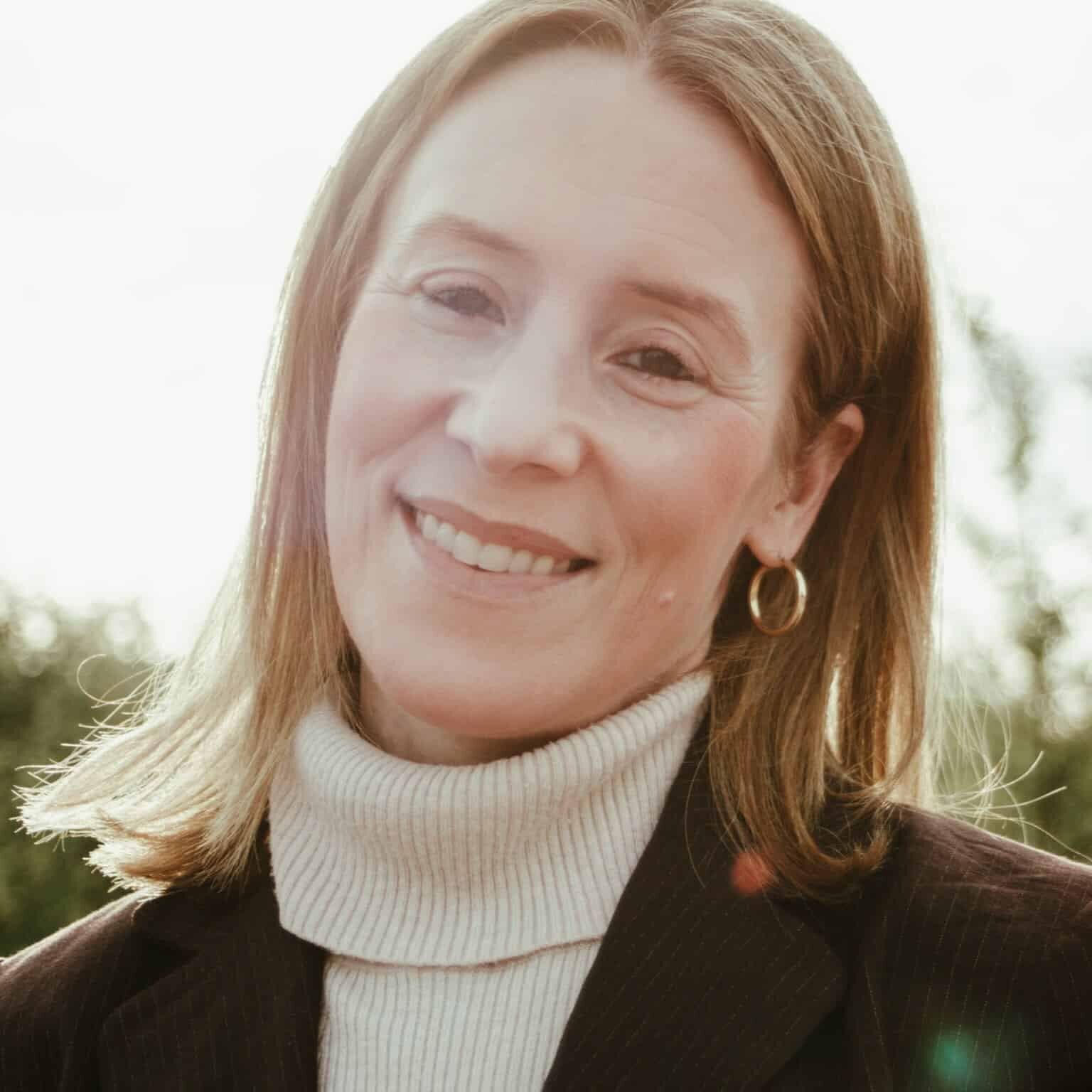
Chrissy Barth
MS RDN RYT
The EPIC Biology sports nutrition blog is a resource for athletes of all ages. If you’re looking to gain a competitive advantage by optimizing your performance and improving overall wellness, you’ve come to the right place.
Unlock Your Body’s Potential EVERY DAY
Ready to ask yourself crucial questions about your health every day? We’ll help you knock it out of the park with a simple, easy-to-use checklist.
Ready to take your performance to the next level?
I’m here to help.
If you’re looking for individualized, sustainable sports nutrition guidance, let’s chat. Schedule a free 15-minute call so that we can get to know each other, then establish your next steps.
Beyond Genetics: How to Live a Vibrant, Quality Life
I recently had a fascinating and eye-opening session with my acupuncturist, diving into the topic of longevity. Being in my 40s, this feels like the perfect subject for a blog post. We explored the magic of ancient Chinese herbs, acupuncture, and how modern science is embracing these traditions to help us not just live longer—but live and feel better. It also reminded me of a recent podcast I was on, where we discussed how longevity isn’t just about adding years to our lives, but making sure those years are vibrant. It’s all about thriving—feeling our best, moving freely, and fully embracing life.
In a world where medical breakthroughs and wellness trends are always evolving, the quest for longevity has become a top priority for many (me included!). Living a vibrant, healthy life is no longer just about genetics; it’s influenced by lifestyle, diet, mental health, and environmental factors. Here’s what the latest research shows about extending the lifespan and enhancing overall well-being…
1. Nutrition for Longevity
One of the most influential factors in longevity is diet. Studies show that populations with the longest life expectancy, such as those in the Blue Zones (Okinawa, Sardinia, Nicoya, Ikaria, and Loma Linda), follow plant-forward diets rich in whole foods including fruits, veggies, legumes, unsaturated fats, and lean proteins. Some key nutritional strategies for longevity include:
• Eating more plants: A diet high in vegetables, fruits, nuts, seeds, and whole grains provides essential nutrients and antioxidants that combat aging.
• Incorporating healthy fats: Omega-3 fatty acids found in wild salmon, ground flaxseeds, and walnuts reduce inflammation and support heart and brain health.
• Embracing mindful eating: Research indicates that practices like intermittent fasting and balanced eating can help activate longevity-promoting pathways in the body. For example, if your last meal is finished by 7 p.m., try aiming to have your first meal at 7 a.m. the next day, giving your body a healthy fasting window to support overall well-being and brain autophagy (aka brain cleaning), which helps clear out waste and promote cognitive health.
2. Physical Activity and Longevity
Regular movement is a cornerstone of a long, healthy life. Engaging in daily physical activity can prevent chronic diseases, improve cardiovascular health, and enhance cognitive function. The most effective forms of exercise for longevity include:
• Aerobic exercise: Activities such as walking, hiking, swimming, and cycling help maintain heart health and circulation. Just 30 minutes of walking a day can have a positive impact on brain function, boosting blood flow and supporting cognitive health.
• Strength training: Building muscle mass and bone density through resistance training prevents frailty and age-related decline.
• Flexibility and balance training: Practices like yoga and tai chi reduce the risk of falls and enhance overall mobility.
3. The Role of Sleep in Longevity
Quality sleep is essential for cellular repair, immune function, and cognitive performance. Research indicates that individuals who consistently get 7-9 hours of sleep per night have a lower risk of developing chronic diseases. Tips for improving sleep include:
• Establishing a regular sleep schedule: Going to bed before midnight can lead to better quality sleep, allowing your body and mind to fully rest and recharge for the day ahead!
• Limiting screen time at least 1-2 hours before bed
• Creating a dark, cool, and quiet sleep environment
• Practicing relaxation techniques such as deep 4-7-8 breathing or meditation
4. Social Connections and Mental Well-being
Strong social relationships contribute significantly to longevity. Studies have shown that individuals with a strong sense of community and support system live longer, healthier lives. Ways to enhance social well-being include:
• Engaging in meaningful relationships with friends and family
• Participating in group activities or volunteering
• Practicing gratitude and mindfulness to reduce stress. I love keeping a bedtime gratitude journal, where I list three or more things or people I’m grateful for. It’s a simple practice that helps shift my mindset, reduce stress, and foster a sense of peace before bed.
Conclusion
While aging is inevitable, how we age is largely within our control. By incorporating nutritious dietary habits, regular physical activity, quality sleep, strong social connections, and mindful lifestyle choices, we can significantly enhance our healthspan and longevity. Start making small, sustainable changes today for a longer, healthier future. If you’re ready to take the first step toward optimizing your health, book a discovery call with me and let’s discuss how we can work together to create a personalized plan that aligns with your goals!
