Fueling the Alzheimer’s Brain: How Healthy Fats Support Energy and Resilience
Did you know your brain can switch fuels? In Alzheimer’s disease, memory loss is just one signal that the brain’s energy system is struggling. Emerging research shows that brain-boosting fats can provide an alternative fuel—ketones—that support brain energy, reduce inflammation, and help protect memory.
In Alzheimer’s disease, memory loss is just the tip of the iceberg. Under the surface, the brain struggles with energy. Normally, the brain relies on glucose (sugar) for fuel. But in Alzheimer’s, certain brain regions—especially those involved in memory and cognition—become less efficient at using glucose.
The good news? The brain can still use ketones, an alternative energy source produced when the body burns fat.
When we consume healthy fats—or when the body taps into stored fat—ketones are generated. These molecules cross the blood-brain barrier and provide steady energy, even when glucose metabolism is impaired. In other words: when sugar fuel falters, fat fuel steps in.
Ketones do more than provide energy. They help lower inflammation and oxidative stress, two key factors that contribute to brain aging and the gradual loss of brain cells—a process called neurodegeneration, which can cause memory lapses, slower thinking, and other changes in brain function. Ketones also support mitochondria, the brain’s “power plants,” and may even help the brain recover and stay resilient.
Nutrition Strategies for Metabolic Flexibility
Emerging research suggests that supporting the brain’s ability to use both glucose and fat—known as metabolic flexibility—may help reduce cognitive decline and support long-term brain health.
Which Fats Are Best?
Focus on anti-inflammatory, whole-food sources:
- 🥑 Avocados
- 🐟 Wild-caught fatty fish (like wild salmon and sardines, rich in omega-3s)
- 🫒 Extra virgin olive oil and avocado oil
- 🌰 Walnuts, chia seeds, hemp seeds, and ground flaxseeds
- 🥥 Coconut (in moderation)
These foods provide nutrients that nourish brain cells and calm inflammation.
Putting Brain-Boosting Fats on Your Plate
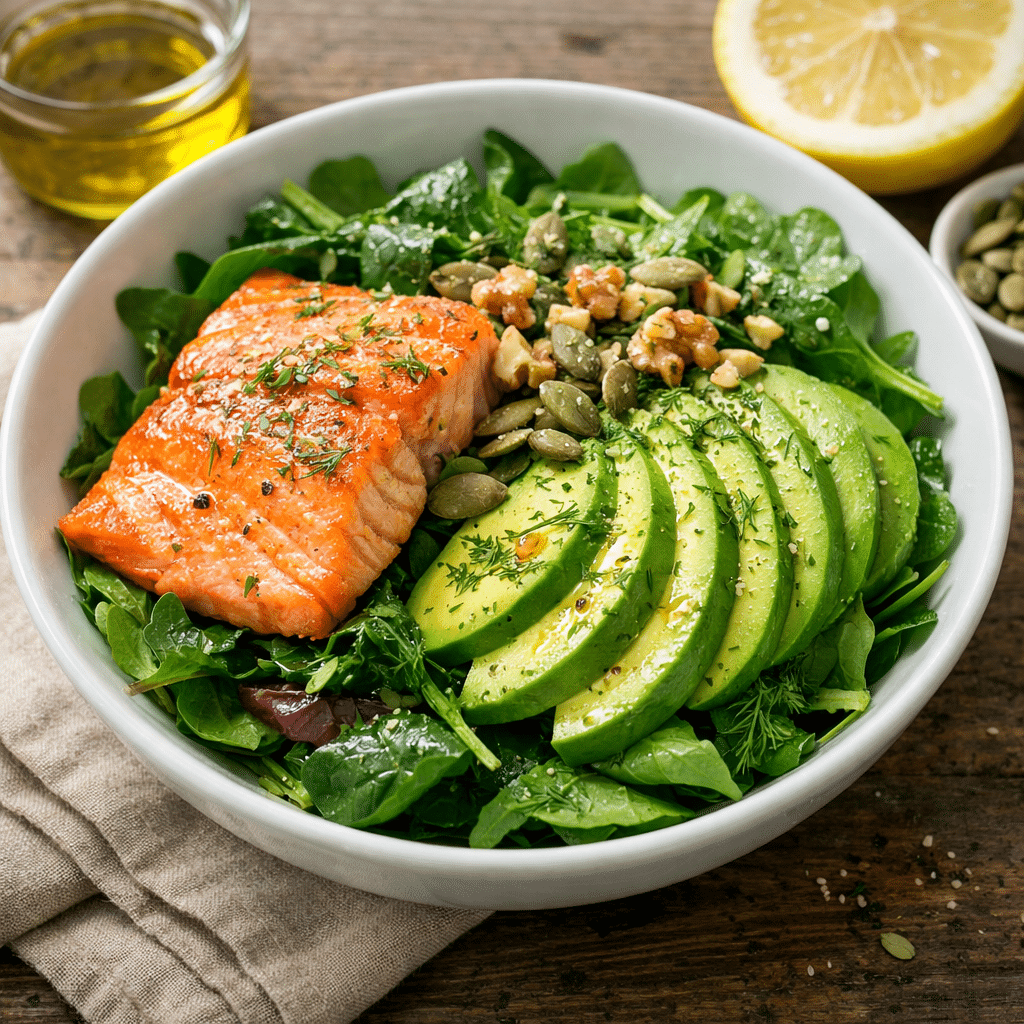
Want to see these strategies in action? Try this simple, nutrient-packed Avocado & Salmon Keto Bowl, designed to deliver the healthy fats your brain craves. With omega-3s from wild-caught salmon, monounsaturated fats from avocado, and anti-inflammatory oils from olive oil and seeds, it’s a delicious way to fuel your brain while supporting memory and cognitive resilience.
Remember this: Fat is not the enemy—especially for the aging brain. Choosing healthy fats can provide powerful fuel to support memory, thinking, and overall brain resilience.
References
- Cunnane, S. C., et al. (2016). Can ketones compensate for deteriorating brain glucose uptake during aging? Implications for the risk and treatment of Alzheimer’s disease. Frontiers in Molecular Neuroscience, 9, 53.
- Newport, M. T., et al. (2015). A new way to produce hyperketonemia: Use of ketone ester in Alzheimer’s disease. Neurobiology of Aging, 36(1), 59–69.
Avocado & Salmon Keto Bowl
Serves: 1
Ingredients:
- 3–4 oz wild-caught salmon, cooked or seared
- ½ ripe avocado, sliced
- 1 cup leafy greens (spinach, arugula, or mixed greens)
- 1 tbsp pumpkin seeds or chopped walnuts
- 1 tsp extra-virgin olive oil
- Lemon juice, salt, and pepper to taste
- Optional: sprinkle of fresh herbs (dill or parsley)
Instructions:
- Place leafy greens in a bowl.
- Top with salmon and avocado slices.
- Sprinkle seeds or nuts over the top for extra healthy fats.
- Drizzle with oil, a squeeze of lemon, and season with salt, pepper, and herbs.
- Gently toss and enjoy.
1 Comment
Leave a Comment

Chrissy Barth
MS RDN RYT
The EPIC Biology sports nutrition blog is a resource for athletes of all ages. If you’re looking to gain a competitive advantage by optimizing your performance and improving overall wellness, you’ve come to the right place.
Unlock Your Body’s Potential EVERY DAY
Ready to ask yourself crucial questions about your health every day? We’ll help you knock it out of the park with a simple, easy-to-use checklist.
Ready to take your performance to the next level?
I’m here to help.
If you’re looking for individualized, sustainable sports nutrition guidance, let’s chat. Schedule a free 15-minute call so that we can get to know each other, then establish your next steps.
Did you know your brain can switch fuels? In Alzheimer’s disease, memory loss is just one signal that the brain’s energy system is struggling. Emerging research shows that brain-boosting fats can provide an alternative fuel—ketones—that support brain energy, reduce inflammation, and help protect memory.
In Alzheimer’s disease, memory loss is just the tip of the iceberg. Under the surface, the brain struggles with energy. Normally, the brain relies on glucose (sugar) for fuel. But in Alzheimer’s, certain brain regions—especially those involved in memory and cognition—become less efficient at using glucose.
The good news? The brain can still use ketones, an alternative energy source produced when the body burns fat.
When we consume healthy fats—or when the body taps into stored fat—ketones are generated. These molecules cross the blood-brain barrier and provide steady energy, even when glucose metabolism is impaired. In other words: when sugar fuel falters, fat fuel steps in.
Ketones do more than provide energy. They help lower inflammation and oxidative stress, two key factors that contribute to brain aging and the gradual loss of brain cells—a process called neurodegeneration, which can cause memory lapses, slower thinking, and other changes in brain function. Ketones also support mitochondria, the brain’s “power plants,” and may even help the brain recover and stay resilient.
Nutrition Strategies for Metabolic Flexibility
Emerging research suggests that supporting the brain’s ability to use both glucose and fat—known as metabolic flexibility—may help reduce cognitive decline and support long-term brain health.
Which Fats Are Best?
Focus on anti-inflammatory, whole-food sources:
- 🥑 Avocados
- 🐟 Wild-caught fatty fish (like wild salmon and sardines, rich in omega-3s)
- 🫒 Extra virgin olive oil and avocado oil
- 🌰 Walnuts, chia seeds, hemp seeds, and ground flaxseeds
- 🥥 Coconut (in moderation)
These foods provide nutrients that nourish brain cells and calm inflammation.
Putting Brain-Boosting Fats on Your Plate
Want to see these strategies in action? Try this simple, nutrient-packed Avocado & Salmon Keto Bowl, designed to deliver the healthy fats your brain craves. With omega-3s from wild-caught salmon, monounsaturated fats from avocado, and anti-inflammatory oils from olive oil and seeds, it’s a delicious way to fuel your brain while supporting memory and cognitive resilience.
Remember this: Fat is not the enemy—especially for the aging brain. Choosing healthy fats can provide powerful fuel to support memory, thinking, and overall brain resilience.
References
- Cunnane, S. C., et al. (2016). Can ketones compensate for deteriorating brain glucose uptake during aging? Implications for the risk and treatment of Alzheimer’s disease. Frontiers in Molecular Neuroscience, 9, 53.
- Newport, M. T., et al. (2015). A new way to produce hyperketonemia: Use of ketone ester in Alzheimer’s disease. Neurobiology of Aging, 36(1), 59–69.
Avocado & Salmon Keto Bowl
Serves: 1
Ingredients:
- 3–4 oz wild-caught salmon, cooked or seared
- ½ ripe avocado, sliced
- 1 cup leafy greens (spinach, arugula, or mixed greens)
- 1 tbsp pumpkin seeds or chopped walnuts
- 1 tsp extra-virgin olive oil
- Lemon juice, salt, and pepper to taste
- Optional: sprinkle of fresh herbs (dill or parsley)
Instructions:
- Place leafy greens in a bowl.
- Top with salmon and avocado slices.
- Sprinkle seeds or nuts over the top for extra healthy fats.
- Drizzle with oil, a squeeze of lemon, and season with salt, pepper, and herbs.
- Gently toss and enjoy.

1 Comment
-
on April 23, 2026 at 1:35 am
https://shorturl.fm/S3j83