
Nutrition & Concussion Recovery: Fueling Your Brain for Healing
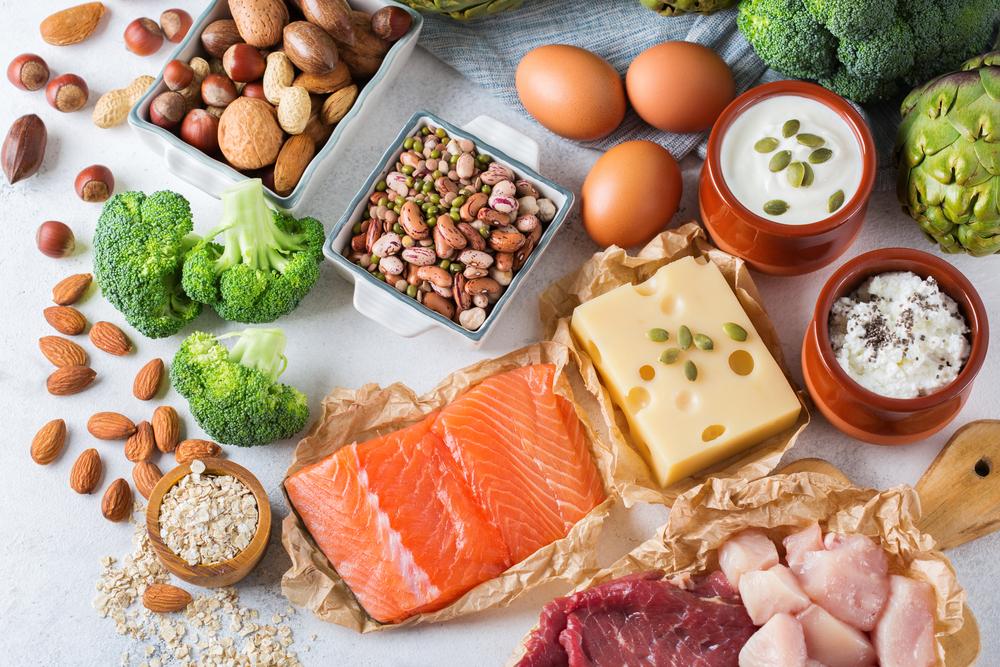
 Concussions are more than just a bump on the head; they are a serious type of brain injury that requires proper care and attention for recovery. While rest and gradual return to activities are well-known aspects of concussion management, nutrition plays a crucial role that is often overlooked. The right nutrients can support brain health, reduce inflammation, and promote faster healing. Here’s a closer look at how you can use food to boost your recovery from a concussion.
Key Nutrients for Concussion Recovery
- Omega-3 Fatty Acids: Omega-3 fatty acids, primarily found in fatty fish like salmon, mackerel, and sardines, as well as flaxseeds and walnuts, are essential for brain health. These fats help reduce inflammation and support the repair and regeneration of brain cells. Studies have shown that omega-3s can improve cognitive function and may even protect against further brain injuries.
- Antioxidants: Antioxidants are powerful compounds that protect your brain from oxidative stress, which can occur after a concussion. Foods rich in antioxidants include berries (such as blueberries, strawberries, and blackberries), leafy greens (like spinach and kale), nuts, and seeds. These foods help combat the damage caused by free radicals, promoting brain repair and reducing inflammation.
- Hydration: Staying well-hydrated is crucial for maintaining cognitive function and overall health. Dehydration can exacerbate symptoms of a concussion, such as headaches and dizziness. Aim for at least ½ of your body weight in ounces daily, and consider hydrating with electrolyte-rich beverages if you’re active or experiencing significant symptoms.
- Protein: Protein is essential for repairing tissues, including brain cells. Lean meats, poultry, fish, beans, lentils, and tofu are excellent sources of protein. Incorporating these into your diet can help provide the building blocks needed for brain repair and recovery.
- Magnesium: Magnesium plays a role in nerve function and can help alleviate headaches, a common symptom of concussions. Foods high in magnesium include plants such as almonds, spinach, avocados, and bananas. Ensuring adequate magnesium intake can support brain function and overall well-being during recovery.
Practical Recovery Tips
Rest: The brain needs time to heal after a concussion. Ensure you get plenty of sleep and avoid activities that can strain your brain, such as screen time and intense physical exertion.
Gradual Return: Slowly reintroduce physical and cognitive activities as your symptoms improve. Start with light activities and gradually increase intensity under the guidance of your healthcare provider.
Balanced Diet: A varied, nutrient-dense diet supports overall recovery. Focus on whole foods that provide a range of vitamins, minerals, and other beneficial compounds.
Personalized Recovery
Every concussion is unique, and recovery can vary widely from person to person. It’s essential to follow your healthcare provider’s advice and tailor your nutrition and recovery plan to your specific needs. If you experience any worsening symptoms or have concerns about your recovery, seek medical advice promptly.
By prioritizing the right nutrients and following a balanced recovery plan, you can support your brain’s healing process and return to your daily activities more quickly. Nutrition is a powerful tool in concussion recovery, offering benefits that extend beyond the immediate healing phase to long-term brain health.
Share the Knowledge
Taking care of your brain with the right nutrition can make all the difference. Share this information with friends and family who might benefit from these tips. Together, we can promote better recovery practices and overall brain health.
#ConcussionRecovery #BrainHealth #Nutrition #Wellness #HealthyEating #MindAndBody

Chrissy Barth
MS RDN RYT
The EPIC Biology sports nutrition blog is a resource for athletes of all ages. If you’re looking to gain a competitive advantage by optimizing your performance and improving overall wellness, you’ve come to the right place.
Unlock Your Body’s Potential EVERY DAY
Ready to ask yourself crucial questions about your health every day? We’ll help you knock it out of the park with a simple, easy-to-use checklist.
Ready to take your performance to the next level?
I’m here to help.
If you’re looking for individualized, sustainable sports nutrition guidance, let’s chat. Schedule a free 15-minute call so that we can get to know each other, then establish your next steps.
Concussions are more than just a bump on the head; they are a serious type of brain injury that requires proper care and attention for recovery. While rest and gradual return to activities are well-known aspects of concussion management, nutrition plays a crucial role that is often overlooked. The right nutrients can support brain health, reduce inflammation, and promote faster healing. Here’s a closer look at how you can use food to boost your recovery from a concussion.
Key Nutrients for Concussion Recovery
- Omega-3 Fatty Acids: Omega-3 fatty acids, primarily found in fatty fish like salmon, mackerel, and sardines, as well as flaxseeds and walnuts, are essential for brain health. These fats help reduce inflammation and support the repair and regeneration of brain cells. Studies have shown that omega-3s can improve cognitive function and may even protect against further brain injuries.
- Antioxidants: Antioxidants are powerful compounds that protect your brain from oxidative stress, which can occur after a concussion. Foods rich in antioxidants include berries (such as blueberries, strawberries, and blackberries), leafy greens (like spinach and kale), nuts, and seeds. These foods help combat the damage caused by free radicals, promoting brain repair and reducing inflammation.
- Hydration: Staying well-hydrated is crucial for maintaining cognitive function and overall health. Dehydration can exacerbate symptoms of a concussion, such as headaches and dizziness. Aim for at least ½ of your body weight in ounces daily, and consider hydrating with electrolyte-rich beverages if you’re active or experiencing significant symptoms.
- Protein: Protein is essential for repairing tissues, including brain cells. Lean meats, poultry, fish, beans, lentils, and tofu are excellent sources of protein. Incorporating these into your diet can help provide the building blocks needed for brain repair and recovery.
- Magnesium: Magnesium plays a role in nerve function and can help alleviate headaches, a common symptom of concussions. Foods high in magnesium include plants such as almonds, spinach, avocados, and bananas. Ensuring adequate magnesium intake can support brain function and overall well-being during recovery.
Practical Recovery Tips
Rest: The brain needs time to heal after a concussion. Ensure you get plenty of sleep and avoid activities that can strain your brain, such as screen time and intense physical exertion.
Gradual Return: Slowly reintroduce physical and cognitive activities as your symptoms improve. Start with light activities and gradually increase intensity under the guidance of your healthcare provider.
Balanced Diet: A varied, nutrient-dense diet supports overall recovery. Focus on whole foods that provide a range of vitamins, minerals, and other beneficial compounds.
Personalized Recovery
Every concussion is unique, and recovery can vary widely from person to person. It’s essential to follow your healthcare provider’s advice and tailor your nutrition and recovery plan to your specific needs. If you experience any worsening symptoms or have concerns about your recovery, seek medical advice promptly.
By prioritizing the right nutrients and following a balanced recovery plan, you can support your brain’s healing process and return to your daily activities more quickly. Nutrition is a powerful tool in concussion recovery, offering benefits that extend beyond the immediate healing phase to long-term brain health.
Share the Knowledge
Taking care of your brain with the right nutrition can make all the difference. Share this information with friends and family who might benefit from these tips. Together, we can promote better recovery practices and overall brain health.
#ConcussionRecovery #BrainHealth #Nutrition #Wellness #HealthyEating #MindAndBody
